
How to Track Calories When Eating Out
Updated August 28, 2026 3 min read
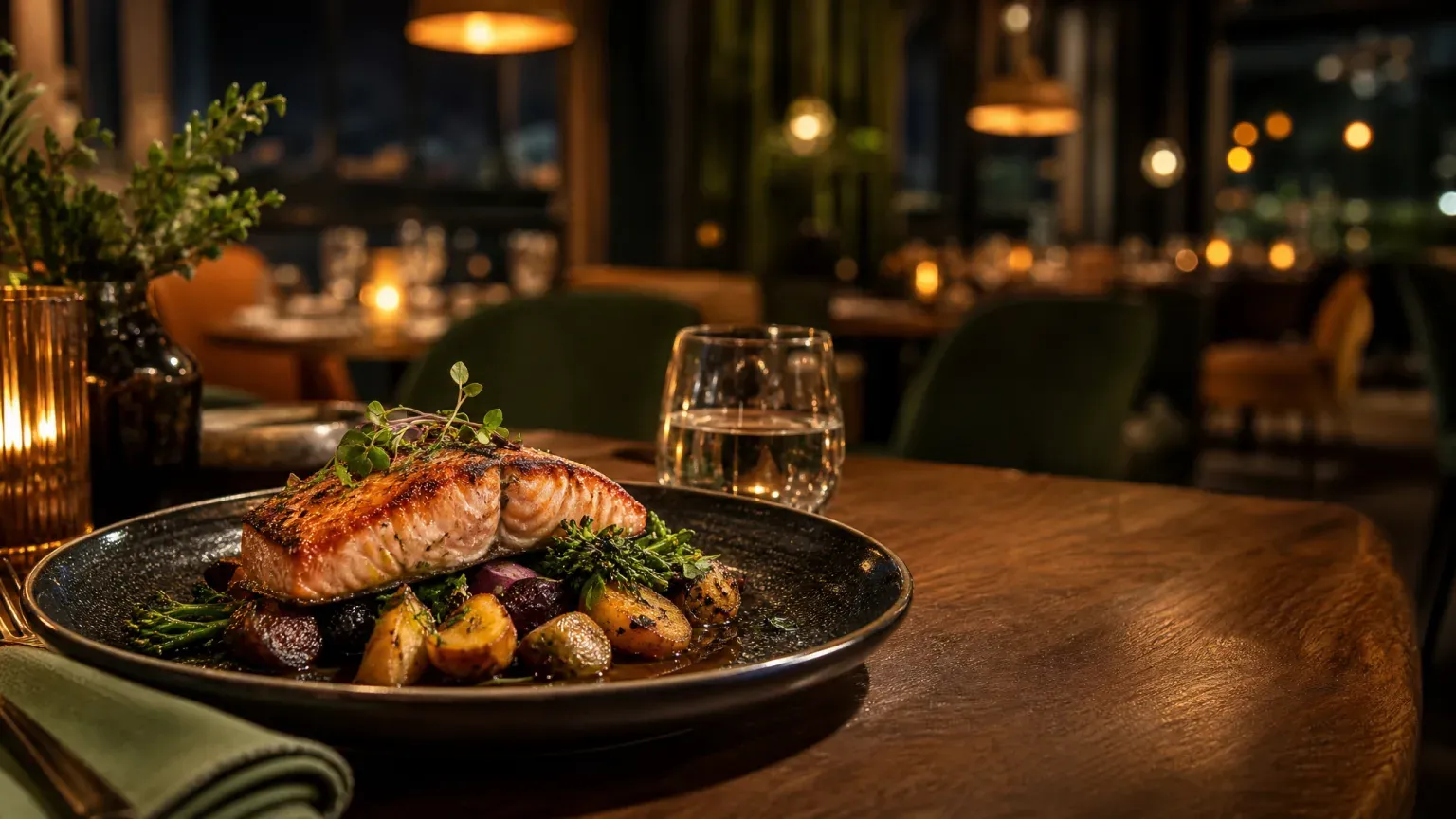
Start with the published number. In the United States, restaurant chains with 20 or more locations are required to provide calorie information, so anything you order at a chain has a real figure available on its website or app. For restaurants that publish nothing, log the closest chain equivalent and add about 20 percent for the fat you cannot see. That single adjustment fixes most of the error in restaurant tracking.
Look it up before you go, not after you eat
Deciding what to order after reading the numbers is a different exercise from justifying what you already ate. Most chains put full nutrition data on their site, and a search for the restaurant name plus “nutrition” usually lands on it directly.
The numbers are often larger than they feel. A fast-food combo meal with fries and a regular drink runs past 1,300 calories, which is more than half a typical day’s intake before the meal registers as anything more than lunch. Seeing that in advance lets you order the same food differently rather than skip the outing.
For independent restaurants, borrow a comparable dish
A neighborhood restaurant will not publish anything. You still have a usable method:
- Identify the dish in generic terms. Not “the house special”, but “chicken burrito with rice, beans, cheese and sour cream”.
- Log that generic dish from a chain that does publish, or from a verified database entry.
- Add 20 percent.
The markup is not pessimism. Chain kitchens standardize portions and recipes, while an independent kitchen ladles by eye and cooks for flavor. Butter in the pan, oil in the dressing and a heavier hand on the cheese all push the same direction, so rounding up corrects a bias rather than inventing one.
The four things that wreck restaurant estimates
Most people log the protein and the starch correctly, then miss the same four categories every time.
- Cooking oil. A restaurant portion of sautéed vegetables can carry a tablespoon of oil at 120 calories, on food that looks like it should be cheap.
- Dressings and sauces. Two tablespoons of ranch or aioli is around 150 calories. A salad with the dressing counted can beat a sandwich without it.
- Drinks. A cocktail is 150 to 250 calories, a pint of beer around 200, and refilled soda multiplies silently.
- Shared extras. Bread before the meal, three fries off someone’s plate, half a dessert. Individually trivial, collectively a few hundred calories.
Adding a line for oil and one for sauce on every restaurant entry does more for accuracy than agonizing over whether the salmon was five ounces or six.
Photograph the plate before you eat it
The hardest part of restaurant tracking is not arithmetic. It is that you are at dinner with people and you are not going to open a nutrition database at the table.
So do not. Take one photo of the plate before you start, and deal with it later. The picture preserves what the portion actually looked like, which memory does not. Two hours afterwards, everything becomes “medium sized”.
Caloryx is built for exactly this gap. It reads the plate from the photo, identifies the components, and returns calories with the protein, carb and fat split, which you can adjust if the estimate looks off. Meals stay in your history with their picture attached, so a dish you order regularly takes one tap the second time.
Eating out on a deficit without rearranging your life
You do not need to eat less earlier in the day to “save up”, which tends to produce a hungry person making worse decisions at 8pm. A few adjustments carry more weight:
- Order the protein first and build around it. Grilled or roasted mains anchor a plate at a predictable number.
- Move the sauce to the side. You will use roughly half of it, which is a 75-calorie change for no loss of enjoyment.
- Choose the drink or the dessert. Both is a 500-calorie decision, and it is worth making deliberately rather than by momentum.
- Let the week absorb it. One 1,200-calorie dinner across a week of 1,800 calorie days is a rounding error on your average. The problem is never the one dinner, it is the four days afterwards that go unlogged because the week already felt ruined.
Log the meal, take the estimate, and move on to the next one.
